If you’re considering working with me, it makes sense to want a feel for who I am and how I approach therapy.
Finding the right therapist isn’t just about qualifications, it’s about whether you feel comfortable, understood, and able to think clearly in the space.
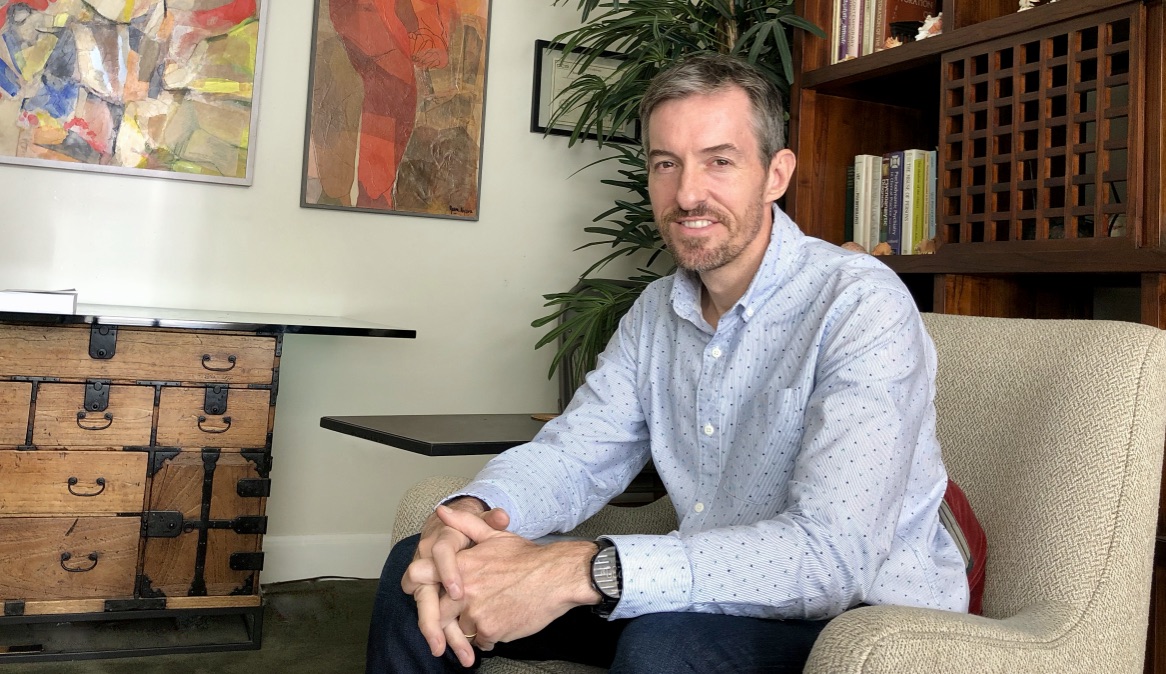
My Approach to Therapy
My work is grounded in a thoughtful, relational approach.
I’m interested in how people make sense of their experience, how you think, how you relate to others, and how patterns from earlier in life may still be shaping things now.
Often, people come in with a sense that something isn’t working, but it’s not always clear why.
Part of our work is slowing things down and looking more closely at what’s happening beneath the surface.
Over time, this helps you:
- understand yourself more clearly
- recognize patterns that keep repeating
- respond differently in relationships and in your life
I’m not focused on quick fixes.
The goal is to develop a deeper understanding that leads to meaningful, lasting change.
What it’s like to work with me
Our work together is conversational and collaborative.
I’ll be engaged and thoughtful, and I’ll share observations when something stands out, but I’m not going to push you faster than feels useful.
I aim to create a space that feels steady, respectful, and open.
For many people—especially those who are used to handling things on their own, this may be one of the few places where you can step back and really think things through.
Background
Before becoming a therapist, I spent many years working as a software engineer.
Over time, I found myself drawn more and more toward understanding people, especially how emotions and relationships work, and why they can be so challenging.
That led me to return to school and train as a therapist at the Wright Institute in Berkeley.
My clinical training included work with teens, college students, adults, and couples, as well as experience in crisis support settings.
Since becoming licensed, I’ve focused on working with individuals and couples around relationships, emotional patterns, and life transitions.
My training includes:
- relational and attachment-based therapy
- emotionally focused couples therapy
- trauma-informed approaches
Who I Often Work With
I work with individuals and couples dealing with relationship challenges, stress, and a sense of feeling stuck or disconnected.
Many of the people I work with:
- are thoughtful and capable, but feel something isn’t working
- are navigating relationship difficulties or life transitions
- feel like they don’t quite fit in, in some way
This can include people who:
- grew up feeling different or misunderstood
- have experienced anxiety, low self-esteem, or early relational challenges
- are navigating identity, culture, or belonging
I also have a particular focus on working with men and with couples who want to better understand the patterns in their relationships.
A Personal Note
Being in a long-term relationship and a parent myself, I’ve had to learn a lot about how relationships actually work—not just in theory, but in practice.
It hasn’t always been straightforward.
That personal experience continues to shape how I think about therapy: with a respect for how complex relationships can be, and how much patience and understanding real change requires.
International Perspective
I grew up in the UK and have lived in different parts of the U.S., as well as spending time in Australia and traveling extensively.
That experience gives me a broader perspective on culture, identity, and what it means to feel at home—or not—both in relationships and in life.
If you feel like this approach resonates, you’re welcome to reach out.
I offer a free consultation so we can talk briefly and see if working together feels like a good fit.